
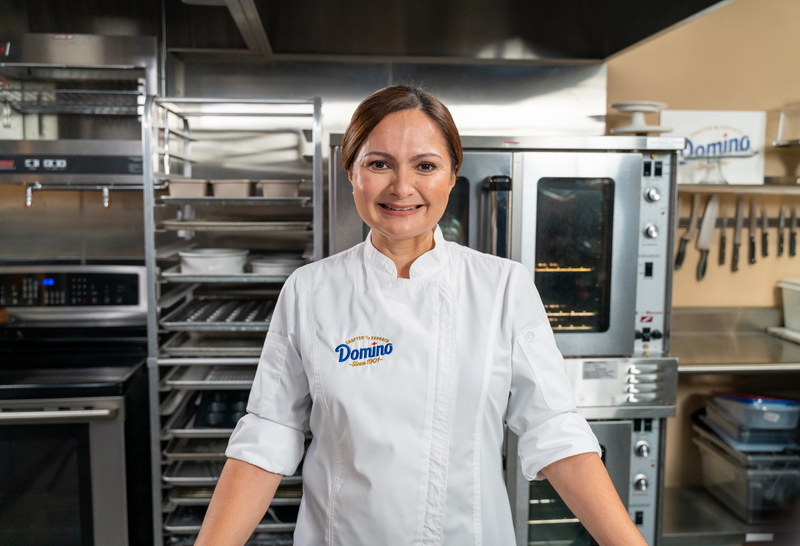
Discover the colonial cooking inspiration behind this delicious dessert with Chef Eleonora
Fresh Apple Cake Recipe: A Taste of America 250
Food has a unique way of connecting us to the past. When we sat down to plan our upcoming America 250 sponsorship, we knew we wanted to celebrate this monumental milestone with something sweet, meaningful, and deeply rooted in our shared history. We wanted a dessert that tells a story.
That is exactly why we created our new Fresh Apple Cake recipe. We are featuring this celebratory dessert right on our packaging and across our website, making it easy for you to bake a piece of history in your own kitchen. But this is not just any standard dessert. Chef Eleonora spent weeks researching and testing to bring you a cake that beautifully bridges the gap between the 18th century and your modern dining table.
Here is a closer look at the fascinating history, the surprising ingredients, and the colonial cooking inspiration that brought this delicious apple cake to life.
Celebrating History With a New Dessert
Our America 250 sponsorship honors the journey, the culture, and the enduring spirit of the nation. To mark the occasion properly, we knew we needed a centerpiece that families could gather around. Apples are a staple of early American agriculture, making them the perfect star ingredient for a celebratory dessert.
You can find the complete (Hyperlink:Fresh Apple Cake) recipe on our website and specially marked packaging. We designed the recipe to be simple enough for a busy weeknight, yet impressive enough for a holiday gathering. Chef Eleonora took great care to ensure the flavors feel both nostalgic and entirely fresh.
The Colonial Cooking Inspiration Behind the Cake
To capture an authentic taste of early America, Chef Eleonora looked to the past for colonial cooking inspiration. Her research quickly led her to one of the most important culinary texts in English history: The Art of Cookery Made Plain and Easy by Hannah Glasse.
The Famous Hannah Glasse Cookbook
First published in 1747, the Hannah Glasse cookbook revolutionized the way people cooked at home. Before Glasse, cookbooks heavily favored complicated, elaborate French techniques that most home cooks simply could not replicate. Glasse changed everything by writing in a straightforward, practical style. She focused on simplicity and economy, making great food accessible to everyday people.
Her book quickly became a household staple for generations, acting as a crucial historical reference for 18th-century culinary traditions. In fact, many prominent figures relied on her recipes. George Washington and Thomas Jefferson both kept copies of The Art of Cookery Made Plain and Easy in their personal libraries. Benjamin Franklin loved the book so much that he translated several of its recipes into French so he could enjoy familiar, comforting dishes while traveling abroad. The practical nature of Glasse’s work heavily influenced domestic cooking in the American colonies for over a century.
Exploring Historical Baking Traditions
When you dig into historical baking traditions, you uncover fascinating details about how our ancestors prepared their meals. The 18th-century kitchen was a busy, labor-intensive place. Chef Eleonora drew heavily on these historical insights to craft the flavor profile of our new apple cake.
If you flip through the recipes from the colonial era, you will notice a surprisingly heavy use of nutmeg and lemon. Cooks used these bright, warm flavors to enhance everything from savory pies to sweet cakes. We made sure to include generous hints of these same flavors in our fresh apple cake, giving it a rich, spiced profile that tastes just like the 1700s.
Hand-Beaten Batter and Feathered Buttercream
We use baking soda in our modern recipe to give the cake its perfect, fluffy texture. However, colonial cooks did not have chemical leaveners. To achieve volume, early American bakers had to beat the butter and sugar completely by hand. They often spent up to two hours vigorously mixing the batter just to incorporate enough air into the cake.
Decorating the cakes required a delicate touch as well. Some colonial recipes for buttercream actually instructed bakers to apply the frosting to the cake using a large feather.
The Sweet History of Sugar Cones
Perhaps the most interesting historical fact involves the way merchants sold sugar. Today, we simply grab a bag of granulated sugar off the grocery store shelf. In colonial times, refined sugar was a luxury item.
18th-century merchants sold sugar in the form of large cones, commonly called sugar loaves. They wrapped these heavy cones tightly in bright blue paper and sealed them with a thick stamp of red wax. Because refined sugar was such a premium, expensive ingredient, families actually kept their sugar cones locked away in special wooden boxes to prevent theft or waste. Cooks had to use special tools, like sugar nips, to break off small pieces of the cone for their baking.
Bake a Piece of History Today
Creating this dessert allowed us to honor the past while delivering a delicious treat for the present. We are thrilled to share this piece of culinary history with you as part of our America 250 sponsorship.
Are you ready to experience these historic flavors for yourself? Grab our specially marked packaging during your next grocery trip, or head over to our recipe page to view the full Fresh Apple Cake recipe. Gather your ingredients, preheat your oven, and celebrate a sweet piece of history with your family tonight.